-
-
-
HAI JALABA, 4th Class Residential area, Juba

HAI JALABA, 4th Class Residential area, Juba
We understand the critical need to address education challenges in South Sudan to empower individuals, promote economic growth, and foster social development. By implementing a comprehensive and community-centered approach, NIDO is making a significant impact in improving access to quality education. Here's how NIDO is addressing these challenges:
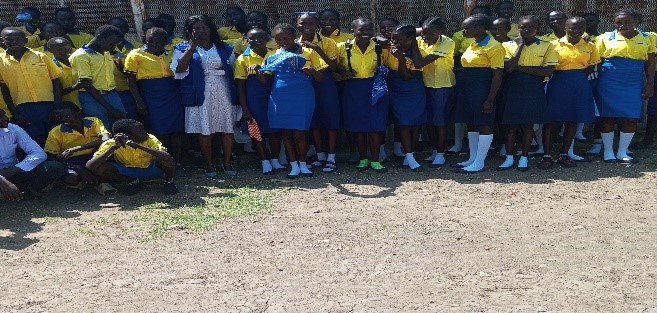
We are collaborating with local communities to raise awareness about the importance of education, especially for girls and marginalized groups.
We are organizing community meetings and workshops to discuss the benefits of education and address cultural barriers.
We are collaborating with local authorities to upgrade school infrastructure, build new classrooms, and provide necessary facilities like libraries and computer labs.
We are advocating for improved learning environments that are conducive to student success.
We are providing training programs for teachers to enhance their pedagogical skills, classroom management, and subject expertise.
We are supporting ongoing professional development opportunities to ensure high-quality teaching.
We are implementing initiatives to ensure equal access to education for girls and boys, addressing cultural norms that may hinder girls' education.
We establish safe spaces and programs that promote girls' education and empower young women.
We are collaborating with educational experts to develop and implement relevant, culturally sensitive curricula that meet the needs of students and the local context.
Including life skills and practical knowledge to prepare students for real-world challenges.
We are implementing school feeding programs to encourage regular attendance, improve students' nutrition, and alleviate hunger-related barriers to learning.
We are providing scholarships and financial support to disadvantaged students, enabling them to access education despite financial constraints.
We are collaborating with local businesses and organizations to establish educational funds.
We are encouraging parental and community involvement in schools through parent-teacher associations and community outreach.
Foster a sense of ownership and accountability for the quality of education.
We are leveraging technology to enhance learning experiences, especially in remote areas.
We are providing access to digital resources and e-learning platforms to supplement traditional teaching methods.
Collaborating with local education authorities, NGOs, and international organizations to pool resources, expertise, and networks for effective education interventions.
We are offering nutrition counseling and supplementary feeding for malnourished children.