-
-
-
HAI JALABA, 4th Class Residential area, Juba

HAI JALABA, 4th Class Residential area, Juba
Nile Initiatives Development Organization (NIDO) recognizes the critical importance of addressing WASH issues in South Sudan to improve public health, reduce disease burden, and enhance the overall well-being of communities. By implementing targeted interventions and fostering community engagement, NIDO is making a significant impact. Here's how NIDO has addressed these challenges:
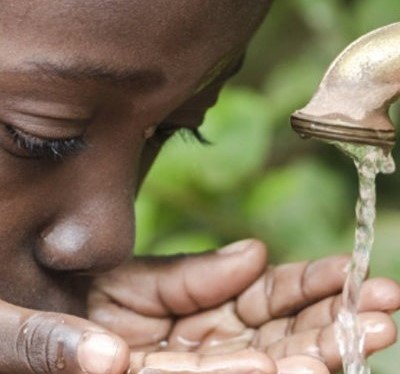
We are identifying areas with limited access to clean and safe drinking water sources.
We are collaborating with local communities to construct and rehabilitate water points, such as wells and boreholes, ensuring that they are properly maintained.
NIDO is raising awareness about the importance of proper sanitation practices and hygiene education.
We are constructing and promoting the use of sanitation facilities, including latrines and handwashing stations, to prevent the spread of waterborne diseases.
We are developing hygiene education programs that target schools, households, and community gatherings.
We are conducting workshops and campaigns to teach proper handwashing, menstrual hygiene, and other hygiene-related practices.
We are working with local schools to improve water and sanitation facilities for students and staff.
We are integrating WASH education into the curriculum, promoting healthy habits from a young age.
We are utilizing culturally sensitive communication strategies to educate communities about the link between proper WASH practices and improved health outcomes.
We are empowering community leaders and influencers to promote positive behavior changes.
We are training local community members as WASH ambassadors and technicians to ensure the sustainability of initiatives.
We are providing technical training on maintaining water sources, sanitation facilities, and promoting hygiene.
We are developing emergency WASH plans to address sudden crises, such as disease outbreaks or natural disasters, by providing clean water and sanitation services to affected communities.
We are establishing data collection mechanisms to monitor the progress of WASH initiatives and track improvements in water quality and hygiene practices.