-
-
-
HAI JALABA, 4th Class Residential area, Juba

HAI JALABA, 4th Class Residential area, Juba
We recognize the urgent need to tackle food insecurity and promote sustainable livelihoods in South Sudan. By implementing a comprehensive and community-centered approach, NIDO is contributing significantly to improving the lives of vulnerable populations. Here's how NIDO is addressing these challenges:
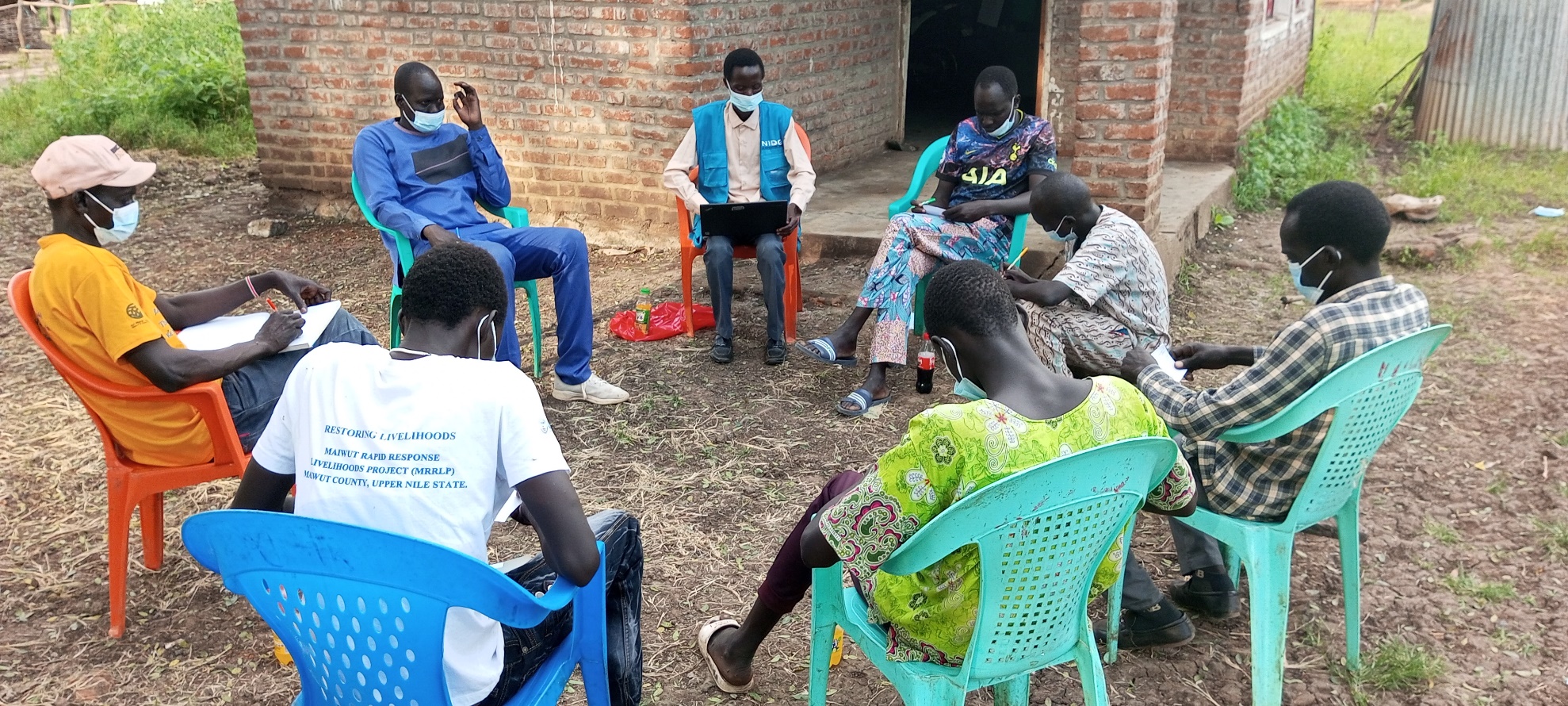
We are providing training to local farmers on modern and sustainable agricultural practices, including crop diversification, soil management, and water conservation.
We are distributing improved seeds, tools, and equipment to enhance agricultural productivity and yield.
We are establishing community gardens and collective farming projects to leverage shared resources and knowledge.
We are promoting the cultivation of drought-resistant and nutritious crops to enhance food diversity and nutritional intake.
We are offering microfinance programs that empower individuals to start small businesses related to agriculture, animal husbandry, or other income-generating activities.
We are providing training in financial management and business skills to ensure the success and sustainability of these enterprises.
We are facilitating linkages between local farmers and markets to ensure fair pricing and improve market access for their produce.
We are establishing farmer cooperatives or associations that can collectively negotiate with buyers and access bulk sales opportunities.
We are providing training on proper livestock management, including animal health and nutrition, to enhance the productivity of livestock as an important source of food and income.
We are introducing techniques for proper food storage and preservation to minimize post-harvest losses and ensure food availability throughout the year.
We are educating communities about climate change adaptation strategies and how to cope with erratic weather patterns that affect food production.
We are promoting the adoption of climate-smart farming practices that enhance resilience to environmental challenges.
We are ensuring that women, who often play a crucial role in food production and household nutrition, are empowered with access to resources and decision-making opportunities.
We are collaborating with local governments, NGOs, and international organizations to pool resources, share expertise, and coordinate efforts to address food security and livelihood challenges.