-
-
-
HAI JALABA, 4th Class Residential area, Juba

HAI JALABA, 4th Class Residential area, Juba
We recognize the urgent need to tackle nutrition challenges in South Sudan, especially among vulnerable populations. By implementing a comprehensive and community-centered approach, NIDO is contributing significantly to improving the nutritional status and overall well-being of individuals. Here's how NIDO is addressing these challenges:
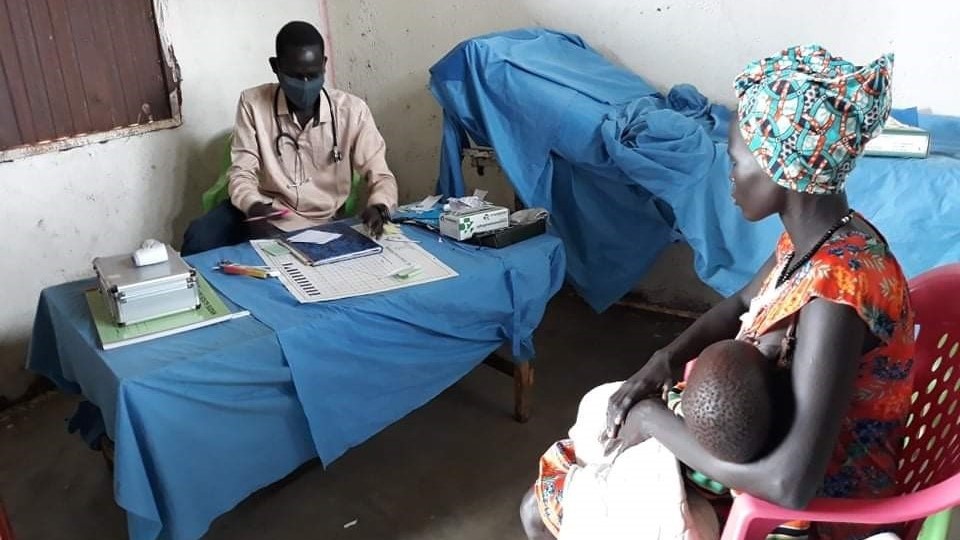
We are developing and implementing community-based nutrition education programs that raise awareness about the importance of balanced diets, breastfeeding, and the nutritional needs of different age groups.
Collaboration with local health workers to provide accurate and culturally sensitive information on nutrition.
We are promoting the cultivation of nutrient-rich crops, vegetables, and fruits through community gardens and agricultural training programs.
We advocate for improved access to diverse and locally available foods to enhance dietary diversity.
NIDO is providing nutrition support for pregnant and lactating women to ensure healthy pregnancies and optimal breastfeeding practices.
We are offering nutrition counseling and supplementary feeding for malnourished children to prevent stunting and undernutrition.
We are collaborating with schools to implement school feeding programs that provide balanced meals to students, encouraging regular attendance and learning.
We are conducting regular nutritional screenings and assessments in communities, schools, and health centers to identify individuals at risk of malnutrition.
We are using data to target interventions and monitor progress.
We are developing communication campaigns that emphasize the link between proper nutrition and overall health.
NIDO is engaging community leaders, influencers, and traditional healers to promote positive dietary changes.
We are offering training in income-generating activities, such as small-scale agriculture or food processing, to improve families' purchasing power and access to nutritious foods.
We advocate for and support exclusive breastfeeding and appropriate complementary feeding practices for infants and young children.
We are providing breastfeeding support groups and training for mothers.