-
-
-
HAI JALABA, 4th Class Residential area, Juba

HAI JALABA, 4th Class Residential area, Juba
Addressing gender-based violence (GBV) and providing protection in South Sudan is a crucial endeavor that requires a comprehensive and multi-faceted approach. Nile Initiatives Development Organization (NIDO) is playing a significant role in tackling this issue by implementing the following strategies:
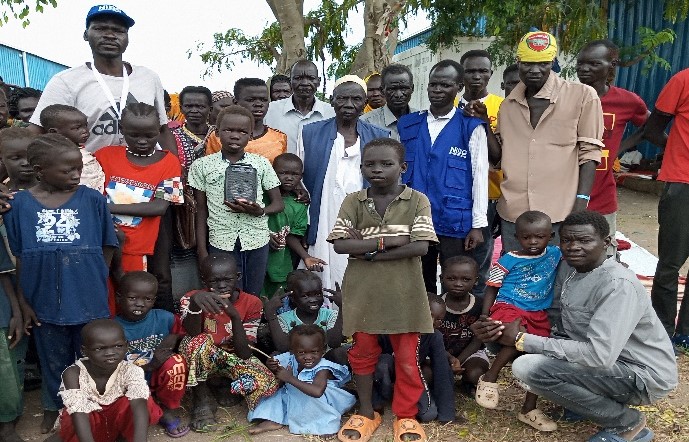
We are developing and implementing awareness campaigns to educate communities about the harmful effects of GBV, the rights of survivors, and available support services.
We are collaborating with local schools and communities to integrate gender equality and GBV prevention education into curricula.
We are advocating for and support the implementation of laws and policies that protect survivors of GBV and hold perpetrators accountable.
We are providing legal assistance and support to survivors to help them navigate the legal system and access justice.
We are creating safe spaces, shelters, and drop-in centers where survivors of GBV can access emergency services, counseling, and support in a secure environment.
We are offering psychosocial support and trauma counseling to survivors to help them heal and rebuild their lives.
We are training healthcare providers, law enforcement personnel, and social workers to identify, respond to, and support survivors of GBV.
We are offering training sessions for community leaders, teachers, and youth groups to promote gender equality and prevent GBV.
We are implementing programs that engage men and boys as allies in preventing GBV by challenging harmful gender norms and behaviors.
We are encouraging open discussions within communities about the negative impacts of GBV and the role of everyone in preventing it.
We are providing vocational training and microfinance opportunities to survivors of GBV to help them achieve economic independence and reduce vulnerability.
We are advocating for women's access to resources, land rights, and employment opportunities to empower them economically.
We are collaborating with local NGOs, government agencies, international organizations, and other stakeholders to pool resources and expertise.
We are strengthening partnerships to ensure a coordinated and holistic response to GBV.
We are conducting research and gather data on the prevalence and causes of GBV in different communities to inform targeted interventions.
We are using data to tailor programs and initiatives to address specific challenges and needs.
We are advocating for policy changes that prioritize GBV prevention and survivor support.
We are working with government bodies and relevant authorities to ensure the effective implementation of existing laws and policies.
We are ensuring the sustainability of GBV prevention and support programs by integrating them into broader community development initiatives.
We are empowering local communities to take ownership of these programs, fostering lasting change.